

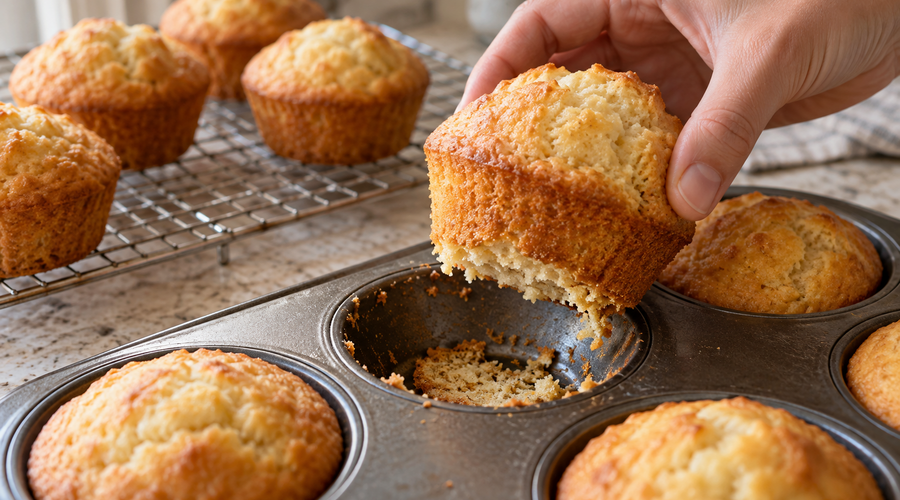
Few things are more disappointing than pulling a tray of muffins out of the oven, only to watch half of them stay behind when you try to take them out. We've all been there.
You carefully mixed the batter, filled the cups, waited for them to bake, and now your blueberry muffin is missing half its bottom.
The good news? A little sticking doesn't necessarily mean you're doing anything wrong. There are a handful of common reasons muffins stick, and most of them are easy to fix.
Let's get those muffins out of the pan in one piece.
The Usual Suspects
When muffins don't want to leave the pan, there are usually a few things to consider:
- Was the pan properly greased?
- Is the pan still in good shape?
- Did the muffins have enough time to cool?
- Is the recipe naturally more prone to sticking?
- Could your baking time or temperature be playing a role?
Sometimes it's one thing. Sometimes it's a little bit of everything.
Start With a Properly Prepared Pan
One of the simplest ways to help muffins release cleanly is to make sure your pan is properly prepared before the batter goes in. It's easy to give the pan a quick spray or swipe of butter and call it a day, but don't forget the sides and the little corners where the bottom of each cup meets the edge. Those are often the spots where muffins like to hang on.
Take a moment to coat each cup evenly, including the sides. If you want to skip the guesswork, our guide on the right way to grease a muffin tin walks through a few simple methods. And if you're using paper liners, you can skip most of this step altogether. That's another perfectly good option for busy mornings.
Your Muffin Pan Matters
A well-cared-for non-stick pan can make releasing muffins wonderfully easy, while a traditional metal pan can produce beautifully baked muffins with the right preparation. If your pan has been around for years and you're noticing that food is sticking more often, take a closer look at the cooking surface. Scratches, worn areas or a damaged non-stick coating can make clean release more difficult.

We carry both non-stick and stainless steel options in our Cupcake & Muffin Pans collection. Not sure which material makes sense for your baking? Our guide to silicone vs. metal muffin pans can help you compare your options.
Give Your Muffins a Few Minutes
We know. The muffins smell amazing, everyone is waiting, and you want to get them onto the cooling rack. But try to give them a few minutes in the pan first.
Fresh from the oven, muffins are still quite delicate. Letting them rest for about five to ten minutes gives them a chance to firm up, which can make them much easier to remove without tearing. Once they've had a little rest, gently loosen the edges and transfer them to a cooling rack. Your muffins, and your patience, will thank you.
Some Recipes Are Just a Little Stickier
Not every muffin batter behaves the same way. Recipes with less fat or more sugar can sometimes be more prone to sticking, particularly as sugars caramelize during baking.
You don't necessarily need to change a recipe you love. Just give those muffins a little extra attention when preparing the pan and removing them after baking. And if you've ever had a particularly sticky batch of banana muffins, you already know exactly what we're talking about.
What If They're Already Stuck?
Don't panic. And don't start digging at them with a butter knife. We've all been tempted.
If a muffin is holding on, gently run a thin knife or small offset spatula around the edge of the cup. Follow the curve of the pan and work slowly rather than digging down into the muffin.
If it's still stubborn, give the pan a few more minutes to cool and try again.
Sometimes a little patience is all it takes.
A Few More Things to Check
If you're consistently having trouble with muffins sticking, take a look at a few other details:
Are they fully baked?
An underbaked muffin will be softer and more delicate, making it harder to remove cleanly.
Are you baking at the right temperature?
Your oven temperature can affect both how the muffin sets and how it interacts with the pan. An oven thermometer can be a handy little tool if you suspect your oven isn't running quite where it should.
Are you cleaning the pan gently?
Over time, abrasive scrubbers can damage a non-stick surface. Warm water, mild dish soap and a soft sponge are usually a better choice.
Are you letting them cool enough?
Five to ten minutes in the pan is a good starting point, but some recipes may need a little more time.
When It's Time to Blame the Pan
Sometimes you've done everything right and the muffins are still refusing to cooperate.
If you've tried properly greasing the pan, adjusted your cooling time and are still having trouble batch after batch, your muffin pan may simply be past its prime.
That doesn't mean you need to replace it just because it's old. But if the non-stick surface is visibly worn or scratched, or the pan is warped or damaged, a new one might make baking a whole lot easier.
And that's where we come in.
At Heart of the Home, we love helping people find the right tools for the way they actually cook and bake, whether you're making a dozen muffins on Sunday morning or filling a table for a family gathering.
Browse our Cupcake & Muffin Pans collection online, or stop by our Edmonton shop and have a look in person.
We'll help you find a pan that makes baking easier, and hopefully keeps those muffins where they belong: in your hand, not stuck to the bottom of the pan.
Frequently Asked Questions
Why did my muffins stick even though I greased the pan?
There can be a few reasons. The grease may not have covered the entire cup, especially around the sides and corners. The type and condition of the pan can also make a difference, as can the recipe itself and how long the muffins cooled before being removed.
How do I stop muffins from sticking to the pan without using liners?
Grease each muffin cup thoroughly, including the sides, and give the muffins five to ten minutes to cool in the pan after baking.
If you're still having trouble, take a look at the condition of your muffin pan and the specific recipe you're using.
Do I need to grease a non-stick muffin pan?
It depends on the pan and the recipe, but a light coating of butter or baking spray can provide extra insurance for recipes that tend to stick.
Always follow the care recommendations for your specific pan.
Why are my muffins sticking only on the bottom?
The bottom of the muffin cup may not have received quite enough grease, or the muffins may need a little more time to set before they're removed.
Try giving them a few extra minutes to cool and gently loosen the edges before lifting them out.
Can baking time affect whether muffins stick?
Yes. Muffins that are underbaked can be soft and delicate, making them more difficult to remove cleanly. Baking for too long can also cause sugars to become more caramelized and sticky.
Follow your recipe's recommended baking time and use the visual cues in the recipe, such as a golden top and a toothpick that comes out clean or with a few moist crumbs.
Leave a comment