


Once you've decided to try baking a crusty loaf of homemade bread, choosing the right baking vessel is the next question. Should you invest in a cast iron Dutch oven, or would a ceramic bread oven be a better fit?
Both can help you make beautiful bread, but they have some important differences. Think about how often you bake, what else you'd like to cook in your pot, and how comfortable you are handling a heavy piece of cookware.
Let's take a closer look so you can choose what works best for your kitchen.

Crust and Browning
One of the reasons bakers love using a covered baking vessel is that it helps trap steam around the dough during the early part of baking. That moisture allows the loaf to expand before the crust sets, helping create the crisp outside and lovely rise many home bakers are after.
Both cast iron and ceramic bread bakers can help create that environment, although the final crust depends on more than the material alone. Your recipe, oven temperature, baking time, and whether you remove the lid partway through all play a role.
If a deep golden crust is your goal, either material can be a good choice when used with the right recipe and technique. Rather than choosing based on a promise of a particular crust, consider the baker's design and the baking instructions that come with it.
Heat Retention
Cast iron is well known for retaining heat, which is one reason it's such a popular choice for bread baking and everyday cooking.
Ceramic bread bakers also hold heat and can create a covered baking environment suited to many bread recipes. The way a particular baker heats up and retains warmth depends on its design and construction.
One important detail: always check the manufacturer's instructions before preheating an empty baking vessel. Not every pot or ceramic baker is designed for the same preheating method, and following the instructions helps protect your cookware.
Weight and Handling
This is a difference you'll notice every time you use your baker.
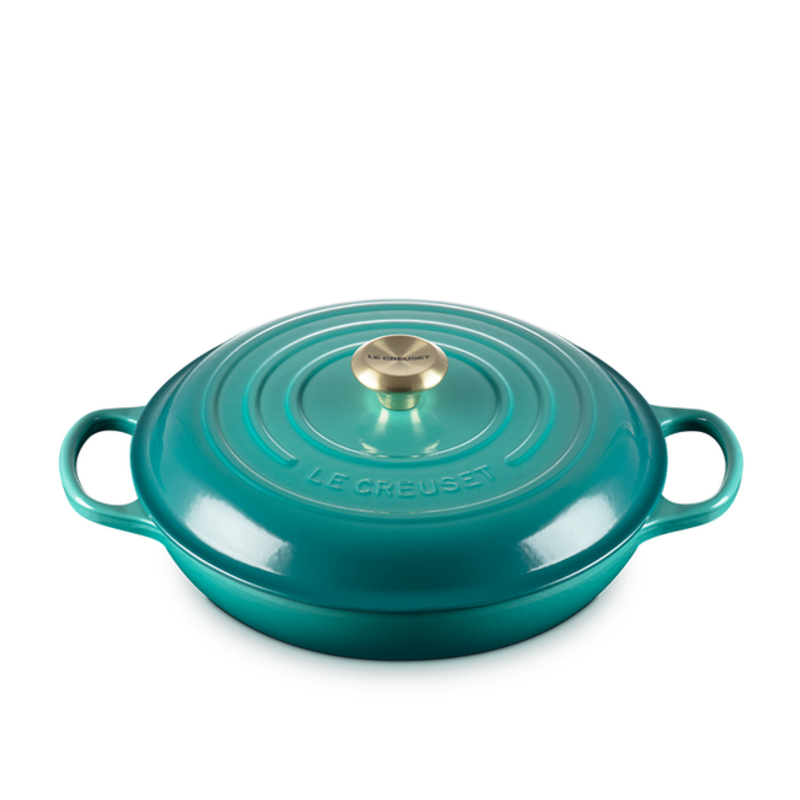
Cast iron Dutch ovens are heavy, especially when you add the lid and then lift the whole piece out of a hot oven. That weight can be reassuring when you're cooking, but it's worth considering if you'd prefer something easier to manoeuvre.
Ceramic bread bakers can be lighter than comparable cast iron Dutch ovens, depending on the design. If you're baking on your own or simply prefer not to lift a heavy pot, the weight and shape of the baker may be just as important as how it performs in the oven.
If possible, come handle the options in person before deciding. A pot that looks perfect on a shelf isn't necessarily the one you'll enjoy lifting every weekend.
Durability & Everyday Care
A good piece of cookware can be part of your kitchen for years, but cast iron and ceramic need slightly different care.
Cast iron is sturdy, although the enamel on an enameled Dutch oven can chip if it's knocked hard against a surface or another piece of cookware. Avoid dropping it, and follow the manufacturer's instructions for cleaning and temperature changes.
Ceramic bread bakers also need thoughtful handling. Sudden temperature changes can damage some ceramic cookware, so allow your baker to cool as directed before washing it. Avoid assuming that every ceramic product can go straight from the refrigerator to a hot oven or from a hot oven under cold water.
Neither option is indestructible, but with the right care, both can serve you well for years.
What About Cooking Beyond Bread?
If you want one piece of cookware that earns its place on the stove, in the oven, and on the dinner table, cast iron has a real advantage.
Our cast iron collection includes Staub and Le Creuset cocottes that can be used for a variety of dishes, depending on the model. Think soups, stews, braises, and roasts, as well as covered bread baking when the manufacturer's instructions permit it.
A dedicated ceramic bread baker, such as an appropriate model from Emile Henry, is designed with bread baking in mind. If bread is the main reason you're shopping, a purpose-built baker may be exactly what you want.
Neither approach is wrong. It comes down to whether you're looking for a multi-purpose piece of cookware or something dedicated to your favourite baking project.
At a Glance
| Feature | Cast Iron | Ceramic |
|---|---|---|
| Bread Baking | Can create a covered, steamy baking environment | Can create a covered, steamy baking environment |
| Heat retention | Excellent, holds heat longest | Retains heat well; performance varies by design |
| Weight | Heavy | Noticeably lighter |
| Durability | Tough, enamel can chip if dropped | Can crack or chip if mishandled |
| Beyond Bread | Often suitable for soups, stews, braises, and more | Depends on the specific product and its intended use |
| Best Fit | Bakers wanting a versatile piece of cookware that doubles for searing, braising, roasting | Bakers looking for a dedicated bread-baking option |
Which Should You Choose?
If you're looking for one piece of cookware to use for bread, soups, stews, and family dinners, a cast iron Dutch oven may be a worthwhile investment, provided you're comfortable with its weight.
If bread baking is your main focus, or you'd prefer a purpose-built baker that feels easier to handle, ceramic is well worth considering.
And if you're still learning to bake, there's no rush to buy either one. You can start with the equipment you already have and invest when you know what kind of bread you enjoy making.
If you're wondering whether you need a covered baking vessel in the first place, our guide to Do You Really Need a Dutch Oven to Bake Bread? explores the alternatives. For those just getting started, our Beginner's Bread-Baking Toolkit covers the essentials before you spend money on extra equipment.
Let's Find the Right Baker for Your Kitchen
At Heart of the Home, we believe the best kitchen tools are the ones you'll reach for again and again. That might be a versatile Dutch oven that moves from bread baking to Sunday dinner, or a dedicated bread baker that makes your weekly loaf a little more enjoyable.
Stop by our Edmonton shop to explore the options and talk through how you like to bake. You can also browse our cast iron collection and Bread Baking & Tools collection online.
We're happy to help you find the right fit, without making you feel like you need to buy the whole kitchen to bake a good loaf.
Frequently Asked Questions
Is Emile Henry or Le Creuset better for bread?
Both brands offer options worth considering, but they approach cookware differently. Emile Henry makes ceramic bakeware designed for particular baking uses, while Le Creuset offers enameled cast iron cocottes that can serve many purposes in the kitchen. The right choice depends on the specific product, how you plan to use it, and what matters most to you.
Can a ceramic bread baker crack from baking bread?
Ceramic cookware can crack if exposed to temperature changes or conditions outside its intended use. Follow the manufacturer's instructions for preheating, temperature limits, and cooling, and avoid sudden temperature changes unless the product is specifically designed to handle them.
Is cast iron worth the extra weight?
It can be, particularly if you want a versatile pot for bread baking and everyday meals. But if the weight makes it difficult or uncomfortable to handle, a suitable ceramic baker may be a better fit. Consider how you'll actually use and move the cookware before making your decision.
Do I need to preheat a cast iron or ceramic baker before adding my dough?
Many bread recipes call for a preheated baking vessel, but the correct method depends on both the recipe and the cookware. Always check the manufacturer's instructions before heating a baker empty, especially with ceramic products.
Leave a comment