


If you've watched a few sourdough videos and decided it's time to try baking bread yourself, you may have noticed something: it can look like you need an awful lot of equipment just to make one loaf.
A proving basket, a special knife, a kitchen scale, a stand mixer, and of course, a Dutch oven. Before you know it, your shopping list is longer than your recipe.
Here's the good news: you don't need a cupboard full of specialty tools to bake your first loaf of bread.
A few everyday kitchen essentials will get you started. The rest can come later, once you've found your rhythm and know what you enjoy baking.
The Essentials: Start With What You Have
Before buying anything new, take a look around your kitchen. You may already own most of what you need.
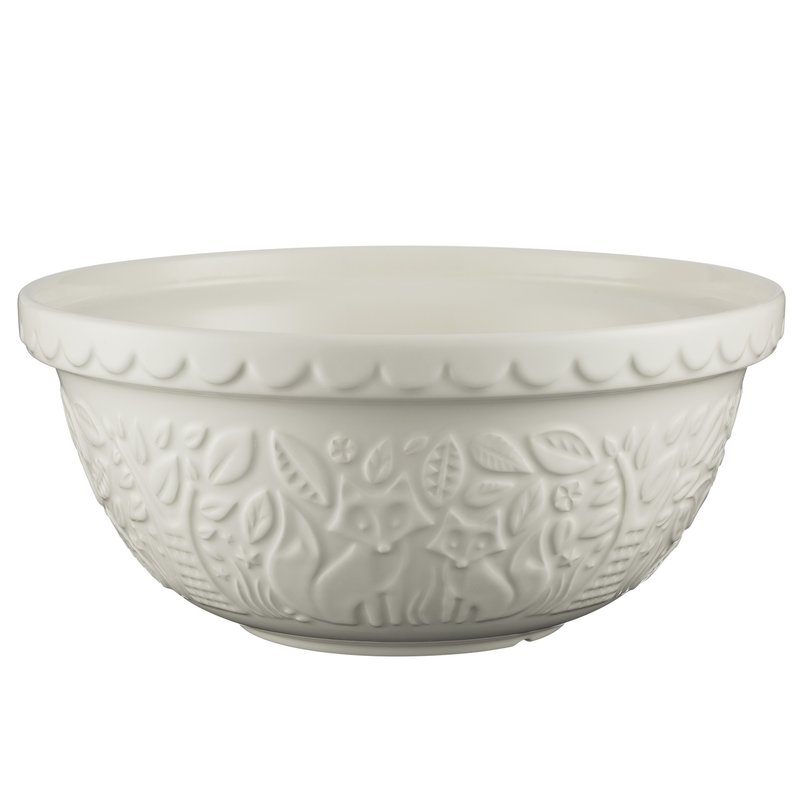
- A good mixing bowl. Choose something roomy enough to mix your ingredients and give the dough space to rise. A sturdy bowl is especially handy when you're mixing by hand. Our Mason Cash collection includes classic mixing bowls that are made for everyday baking and look lovely on the counter, too.
- Measuring cups and spoons, or a kitchen scale. Both can work, depending on your recipe. A kitchen scale makes measuring flour and water more consistent, which can be especially helpful as you learn how different doughs should feel. If your recipe uses cups and spoons, there's no need to rush out and buy a scale before your first bake.
- A clean tea towel. You'll need something to cover your dough while it rests or rises. A clean, lint-free tea towel you already own will do the job nicely.
- A proving basket, or a bowl you already own. If your recipe calls for a shaped loaf that needs support during its final rise, a proving basket can help it hold its shape. Don't have one? A bowl lined with a clean, well-floured tea towel can work as an alternative for many doughs. You can explore options in our Bread Baking & Tools collection.
- A baking sheet or a stone you already have. The right choice depends on the type of bread you're making. A baking sheet can work well for some loaves, while a loaf pan is ideal for sandwich bread. Crusty artisan-style breads may benefit from a covered baking vessel, but you don't need to buy one before you begin.
That's a perfectly reasonable starting point. You can learn a lot from your first few loaves without investing in every bread-baking tool on the shelf.

Nice to Have, But Not Necessary Yet
Once you've baked a few loaves and know you want to keep going, there are some tools that can make the process easier. You don't need all of them at once.
- A bench scraper or dough scraper. A bench scraper is one of those simple tools that can quickly become a favourite. It helps divide dough, lift sticky mixtures from the counter, and tidy up your workspace. It's a practical first upgrade if you find yourself baking regularly, especially when working with wetter doughs.
- A dedicated proving basket. If you started with a bowl and tea towel, a proving basket may be worth considering once you begin making more shaped artisan loaves. It supports the dough during its final rise and can help create a more defined shape. Different styles suit different loaves, so think about what you like to bake before choosing one.
- A Dutch oven or covered bread baker. If you're dreaming of round sourdough loaves with a crisp, golden crust, a covered baking vessel may be a worthwhile addition. A Dutch oven traps steam around the loaf during the early part of baking, helping the bread expand before the crust sets. A suitable covered ceramic bread baker can offer a similar approach. It's a useful upgrade, but not a requirement for every type of bread. We've covered the options in Do You Really Need a Dutch Oven to Bake Bread?
- A bread lame or sharp razor blade. A bread lame is a small tool used to score the surface of a loaf before baking. Those decorative cuts aren't just for looks, scoring also gives expanding dough a place to open as it bakes. A sharp knife may work for some recipes, but a lame gives you more control when scoring certain artisan loaves. It's a fun addition when you're ready to experiment with the look of your bread.
- A kitchen scale. If you started with measuring cups and spoons, a scale is a worthwhile upgrade to consider as you bake more often. Weighing ingredients helps you repeat successful recipes and adjust quantities more reliably. For bread, where the balance of flour and water affects the dough, that consistency can make learning easier.
- A stand mixer. A stand mixer can save time and effort, particularly if you're making larger batches or working with doughs that benefit from extended mixing. But it's absolutely not a must-have for most home bakers. Many bread recipes can be mixed and kneaded by hand, and there's something satisfying about getting to know your dough as you work with it. If you're just starting out, hold off until you know how often you'll use one and whether it suits the way you like to bake.

Choosing Your Next Tool?
When you're ready to add something to your toolkit, think about what you find most challenging.
- Struggling with sticky dough? A bench scraper may help.
- Want more consistent results? Consider a kitchen scale.
- Making round artisan loaves? A proving basket could be useful.
- Hoping for a crusty sourdough loaf? Explore covered baking options.
And if you're deciding between cast iron and ceramic for your bread-baking vessel, our guide to Cast Iron vs. Ceramic Dutch Oven for Bread: Which Gets the Better Crust? walks through the differences.
The trick is to choose tools that solve a real problem for you, rather than buying everything because a recipe or video says you should.
Let's Get You Baking
Bread baking doesn't have to start with a big shopping trip. Start with a recipe that appeals to you, gather the tools you already have, and give that first loaf a try. You can always add to your toolkit as your confidence grows.
If you're not sure what would be most useful for the way you bake, come visit us at Heart of the Home in Edmonton. We're happy to talk through the options, answer your questions, and help you find tools you'll actually reach for.
You can also browse our Bread Baking & Tools collection online whenever you're ready for your next kitchen addition.
Frequently Asked Questions
Do I need a stand mixer to bake bread?
Not for most recipes. Plenty of bread, including most sourdough and artisan-style loaves, is traditionally mixed and kneaded by hand. A stand mixer can save effort once you're baking often, but it isn't required to get started.
What's the first bread-baking tool I should buy?
That depends on what you already own and the bread you want to make. A kitchen scale is useful for consistent measurements, while a bench scraper is handy for working with dough. If you're making shaped artisan loaves, a proving basket may be a useful addition. Start with the tool that will make your next bake easier.
Can I bake bread without a scale?
Yes, many recipes are written in cups and spoons specifically for this reason. A scale can improve consistency, especially when measuring flour, but it doesn't have to stand between you and your first loaf.
Is it worth buying a full starter kit?
It can be, depending on what's included and what you plan to bake. Some kits bundle useful tools, such as a proving basket, dough scraper, and bread lame. Compare the contents with what you already have so you don't end up buying duplicates or tools you won't use.
Do I need a Dutch oven to bake sourdough?
No, although a Dutch oven can make it easier to create the steamy environment that helps sourdough develop a crisp crust. Other baking methods may work, depending on your recipe and equipment. Our guide to whether you really need a Dutch oven to bake bread explains the alternatives.
Leave a comment